
Logline

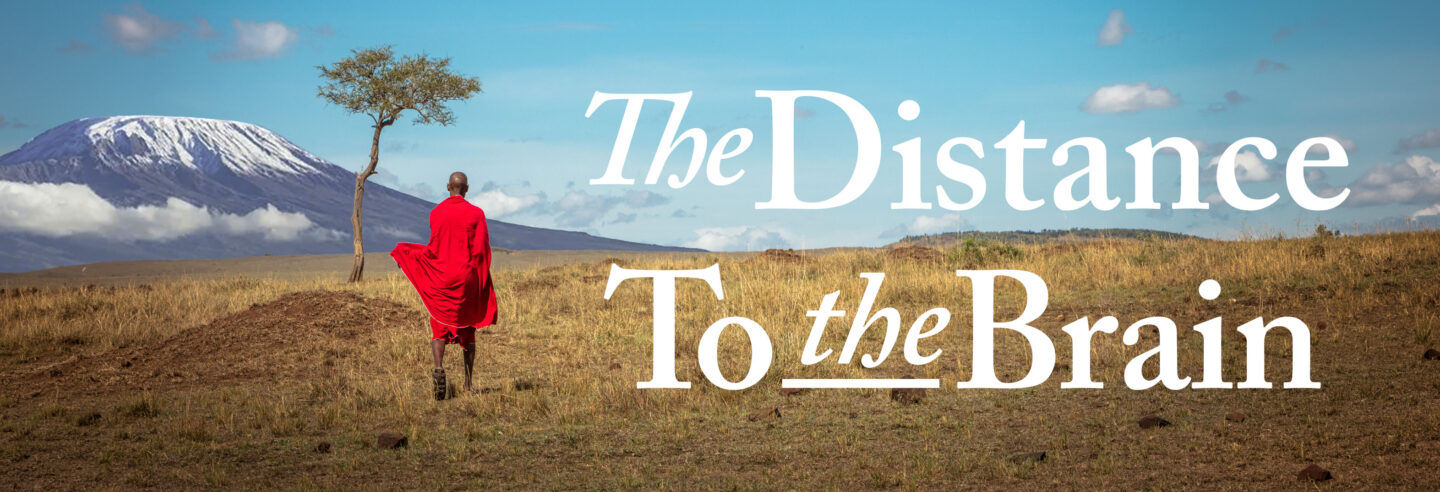
In a country caught between progress and limitation, a boy from a Maasai village follows his dream to become a neurosurgeon and returns home to confront a system that can train doctors—but struggles to support them.

Our Team

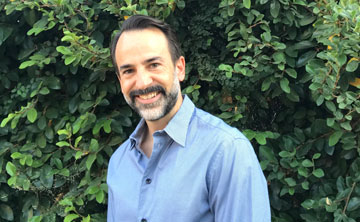
Benjamin Dveririn, Director

20+ years of creative direction, writing and project design of branded content for national and international companies including public health campaigns. Video director/producer for Barrow Neurological Institute. Regional Emmy-nominated and AAF award winner for civic engagement, public health and education campaigns. Lead art and science media collaborations with Scottsdale Museum of Contemporary Art and ASU’s Center for Science and the Imagination. Guest speaker at Cronkite School of Journalism on media technology and empathy.
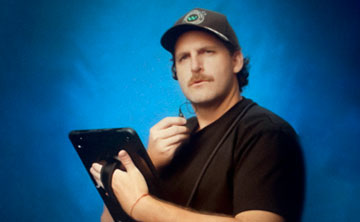
Andrew Benson, Producer

Inquirefilms.com
Andrew creates content for impact. “Mitchell 20,” a documentary about education that he wrote/produced/co-directed, was distributed theatrically through AMC Independent and won a Rocky Mountain Emmy for Best Documentary. “The Joe Show,” a nearly ten-year-long profile of Sheriff Joe Arpaio and the decline of the fourth estate that he story produced was sold to Investigative Discovery and played festivals worldwide. Directed “Sweet Land of Liberty” about democracy's elusive unfolding during elections in Liberia.
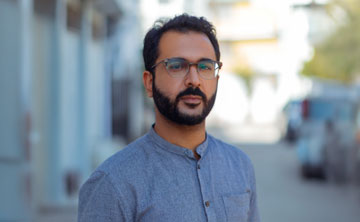
Amil Shivji, Producer

kijiweniproductions.com
Amil Shivji is a filmmake. Over the past twelve years, his production house has produced the most celebrated and decorated Tanzanian films while training hundreds of artists. His award-winning films have played in over 300 screens worldwide. He premiered his fiction feature, Vuta N’Kuvute (Tug of War), a story of love and resistance set in British colonial Zanzibar, at TIFF’21. It won the Oumarou Ganda Prize at FESPACO’21, special Jury prize in Seattle, Golden Tanit and FIPRESCI critics award in Carthage. He recently produced The Empty Grave, which premiered at Berlinale ’24 and has played in over fifty cinemas in Germany.
Synopsis

When Sengua Koipapi was a boy growing up in a Maasai village in northern Tanzania, his mother nearly died after childbirth. Villagers carried her for miles in a wheelbarrow to reach medical care. She survived, but Sengua never forgot the distance between his community and the people who could save her life. Years later, after one of medicine’s longest and most demanding training journeys, he returns home as one of Tanzania’s newest attending neurosurgeons. His calling is no longer to simply understand consciousness. It is to mentor the next generation while confronting the realities of delivering advanced care in a health system where expertise can outpace available resources. Through one remarkable life, The Distance to the Brain explores a universal question: What do we owe one another?

Why This Matters

17 million people die each year from conditions that coud have been treated with surgery. The richest third of the world’s population accounts for 75% of surgical procedures while the poorest third make up just 4%. This structural violence fosters diseases that kill people just as horribly as bullets and grenades. A shift is happening and education is a multiplier but in order to create sustainable systems, we need answers beyond humanitarianism. In the words of Professor Janabi, Regional Director for the World Health Organization African Region, “Today, forces of disruption and transformation are converging. Too often we are offered false choices; health or security, livelihoods or lives, solidarity or sovereignty. We reject these tradeoffs because there is no prosperity without health and no security without resilient health systems. (…) in the end we rise together and we fall together. At its heart, health is a moral responsibility to protect life and dignity.”

Contact